
Asbestos Removal in Sydney
Asbestos is common in Sydney buildings from before 1990, from fibro bathrooms in terraces to ceiling tiles in older offices. Removal follows a clear order: survey, plan, notify, remove, clear. The work is carried out by SafeWork NSW licensed removalists, and waste is tracked to a facility lawfully able to accept it.
- Hazardous materials survey before work starts
- Asbestos handled by SafeWork NSW licensed removalists
- Dilapidation reports on neighbouring properties
- Dust, noise and traffic planned for city streets
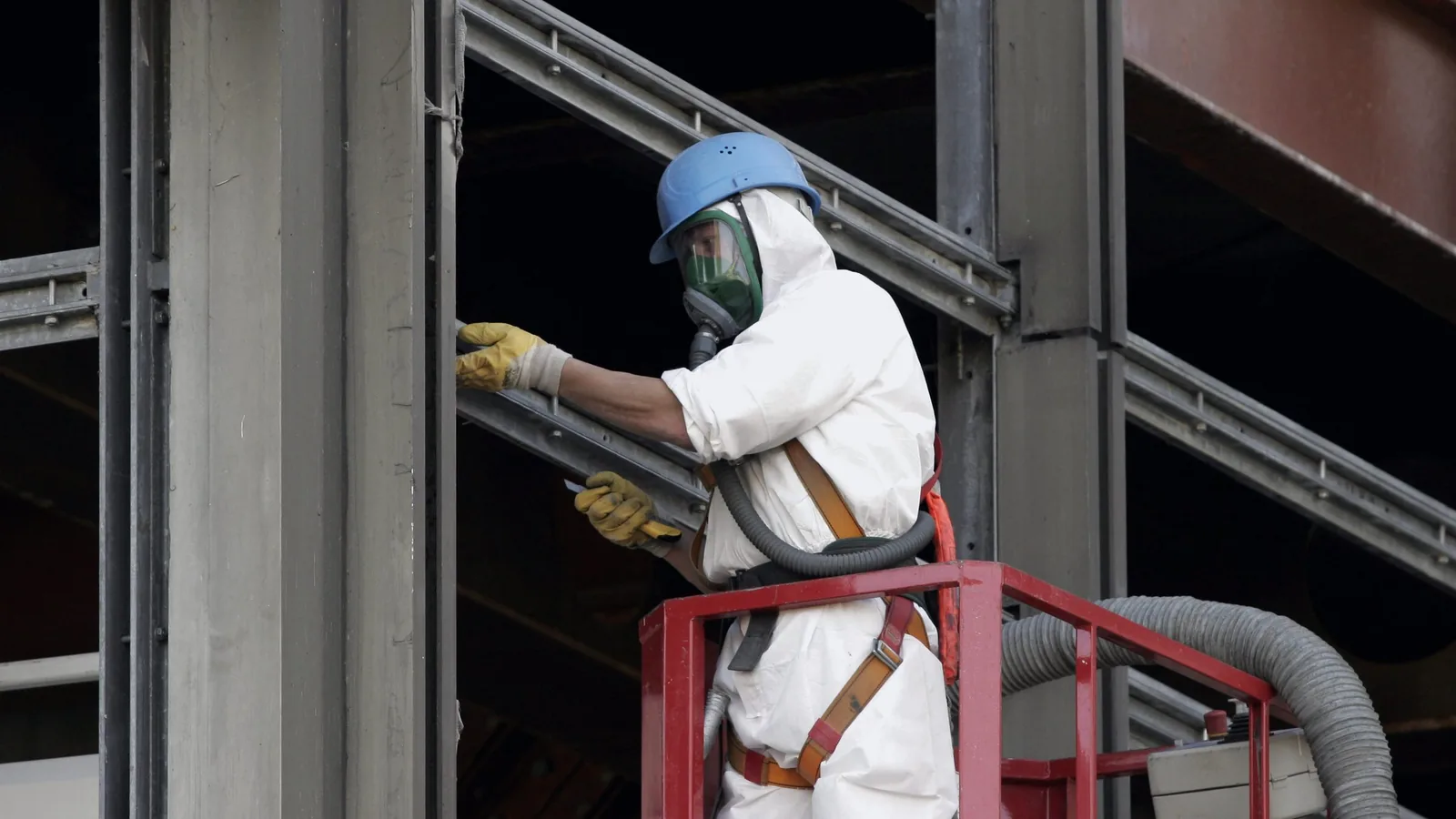
How asbestos removal works in NSW
Asbestos removal is regulated work in NSW. The rules depend on the type of material and how much of it there is. All asbestos work on our jobs is carried out by SafeWork NSW licensed removalists, using the class of licence the material requires.
There are two types of asbestos material:
- Non-friable (bonded) asbestos is locked into a cement or other matrix. Fibro sheeting, eaves linings, wet-area sheeting and some roofing fall here.
- Friable asbestos can be crumbled by hand. Old pipe lagging, sprayed insulation and some flue and boiler materials are examples.
In NSW, removing more than 10 square metres of non-friable asbestos needs a SafeWork NSW licensed removalist, holding either a Class B or Class A licence. Friable asbestos always needs a Class A licence. SafeWork NSW must be notified in advance before licensed removal starts.
Where it hides in Sydney buildings
Homes built before 1990 may contain asbestos in fibro sheeting, eaves, wet-area linings under tiles, vinyl floor backing, roofing and flues. Sydney's inner suburbs add their own spots: lean-to bathrooms and laundries at the back of terraces, fibro sunrooms, and sheeting behind old kitchen splashbacks. Commercial buildings can hold it in ceiling tiles, risers, plant rooms and old floor coverings. The only way to know is a survey and sampling.
Step one: a hazardous materials survey
Before demolition or a strip-out of an older building, a hazardous materials survey identifies the location, type and condition of any asbestos, along with lead paint and other hazards. On commercial sites the building will often hold an asbestos register already, but a pre-strip-out survey is still needed for the areas being disturbed. The survey sets the scope of removal and the order of the rest of the job.
Step two: planning the removal
The removal plan covers access, how the work area will be isolated, how waste leaves the site, and how neighbours or other building occupants are protected. On a terrace or semi, that means thinking about the shared wall, the rear lane and the house next door. In an occupied building, it means working with building management on timing, lift use and air handling.
Step three: removal and containment
For bonded sheeting, the material is wetted down and removed whole where possible to avoid breakage, then wrapped and sealed. Friable removal is done inside a sealed enclosure under negative air pressure, with workers in disposable coveralls and suitable respiratory protection, and decontamination on the way out. Air monitoring is used where the work requires it.
Step four: clearance
Nothing else starts in the area until it has been cleared. After friable (Class A) removal, a licensed asbestos assessor does the clearance inspection. After non-friable removal, an independent competent person does it. A clearance certificate is issued before other work resumes, and that certificate is one of the documents your builder and certifier will want to see.
Waste and tracking
Asbestos waste can only go to a facility lawfully able to accept it. In NSW, the EPA tracks asbestos loads through WasteLocate, so each load is recorded from site to the receiving facility. Waste is wrapped, labelled and transported in a covered, lined vehicle. Nothing goes into a general skip.
Asbestos removal ahead of demolition
On a house demolition, asbestos comes out first, and the structure only comes down once the clearance certificate is issued. Scheduling the two together saves time: the removal crew, the clearance inspection and the demolition can be lined up as one sequence rather than three separate bookings.
Asbestos removal ahead of a renovation
Not every job is a full demolition. Many asbestos jobs in Sydney are part of a renovation: an old bathroom with fibro behind the tiles, eaves on a home getting a second storey, or a fibro garage being replaced. The same rules apply to small jobs, and the same clearance step follows.
In occupied buildings
Strata buildings and offices add another layer. Residents or tenants may be working a few metres away. We plan these jobs with building management: notices to occupants, after-hours removal where needed, isolation of the work area and the building's air handling, and protected routes for waste through lifts and loading docks.
What to send us
Send the address, photos of the material you are worried about and any survey or asbestos register you already hold. If you are not sure whether it is asbestos, do not break or sand it to find out. Leave it alone, photograph it and ask for a survey.
Why choose us for asbestos removal
- Work carried out by SafeWork NSW licensed removalists
- Hazardous materials survey sets the scope
- SafeWork NSW notified in advance of licensed removal
- Clearance inspection and certificate before other work resumes
- Waste tracked through the NSW EPA WasteLocate system
- After-hours removal planned for occupied buildings
Asbestos Removal: common questions
How do I know if my house has asbestos?
You cannot tell by looking. Homes built before 1990 may contain it in fibro sheeting, eaves, wet-area linings, vinyl floor backing, roofing and flues. A hazardous materials survey with sampling confirms what is there.
Is a licensed removalist always needed?
In NSW, removing more than 10 square metres of non-friable asbestos needs a SafeWork NSW licensed removalist, and friable asbestos always needs a Class A licence. Our asbestos work is carried out by licensed removalists regardless of size.
What is a clearance certificate?
After removal, the area is inspected before other work resumes: by a licensed asbestos assessor after friable removal, or an independent competent person after non-friable removal. A clearance certificate is issued once the area passes.
Where does the asbestos go?
Only to a facility lawfully able to accept asbestos waste. The NSW EPA tracks each load through WasteLocate, from your site to the receiving facility.
Planning a demolition or strip-out in Sydney?
Send us the address and a few photos. We will look at access, neighbours and approvals, then come back with a written quote.